

The phrase opportunity zone program expiration sounds simple, but it hides three different deadlines that affect your tax bill, your underwriting, and your hold strategy in very different ways. The direct answer is this: the original Opportunity Zone regime had built-in sunset mechanics, but the 2025 law rebuilt the program into a permanent framework with new rules, tighter eligibility, and a new redesignation cycle.
Is the Opportunity Zone Program Expiring or Being Rebuilt?
If your deal model assumes the program is ending, your timeline is wrong. If your model assumes nothing changed, your timeline is also wrong.
The strategic stake is straightforward. Tax timing drives distributions, estimated payments, refinance decisions, and exit planning. Project underwriting changes when old basis step-ups disappear, when new designations start, and when a 10-year appreciation exclusion still remains available. Based on analysis of current law and implementation updates, the Opportunity Zone program is not disappearing. It is being rebuilt.
The old version, created by the Tax Cuts and Jobs Act of 2017, was a sunset-based incentive structure tied to a specific set of designated tracts and a specific tax calendar. The redesigned version, established by the One Big Beautiful Bill Act, signed on July 4, 2025, converted Opportunity Zones into a standing policy framework, according to reporting from Old Republic Title and EIG. That shift changes the question from “Is the program over?” to “Which rules govern this investment, and when?”
What “Opportunity Zone Program Expiration” Actually Means
In plain English, “expiration” can refer to three separate things: the end of deferral for legacy gains in 2026, the older long-tail sunset references attached to the original program, and the fact that the current law redesigns the program rather than simply extending the old version.
That distinction matters because investors routinely collapse all three into one headline. Doing that leads to bad tax planning.
The original 2017 program had built-in deadlines
The original program was never a timeless tax shelter. It was a timed incentive. Under IRS guidance, eligible capital gain had to be invested into a Qualified Opportunity Fund within 180 days, and the deferred gain became taxable on the earlier of a disposition event or December 31, 2026. The old regime always forced you to track dates, not just deal quality.
That structure shaped investor behavior. You sold an appreciated asset, moved eligible gain into a QOF inside the 180-day window, deferred tax for a period of years, and then targeted a long hold for exclusion of future appreciation. Timing was not a side detail. Timing was the product.
The 2025 legislation changed the question
The 2025 legislation changed the conversation from “Is OZ ending?” to “Which version applies, and when?” That is a much more useful way to look at the program.
What the field data shows is that policymakers did not scrap Opportunity Zones. Instead, the law gave the program an indefinite extension, added redesignation cycles, tightened eligibility, and expanded rural incentives. EIG describes the program as a permanent pillar of U.S. economic development policy. That permanence does not erase old deadlines. It creates a transition from OZ 1.0 to OZ 2.0.

Three Dates That Drive the Answer
If you want the cleanest way to understand opportunity zone program expiration, focus on three dates: December 31, 2026, January 1, 2027, and the long-tail references tied to 2047.
December 31, 2026: the key deadline for legacy deferral
For legacy investments under the original rules, this is the date that matters most. Deferred gain under the original regime becomes taxable by the earlier of disposition or December 31, 2026, as reflected in IRS Opportunity Zone guidance.
That has immediate business consequences. You need to know the amount of deferred gain still sitting in the structure, the basis adjustments already locked in, and the cash source for the tax payment. If your liquidity plan assumes the fund will simply keep rolling without tax friction, your plan is incomplete.
This is also where confusion around expired benefits starts. The 5-year 10 percent basis step-up and the 7-year 15 percent step-up were features of the original timeline. For new investments after the applicable cutoff, those benefits are gone. They should not appear in fresh marketing decks or new deal models.
January 1, 2027: the start of the redesigned framework
The redesigned framework starts with new designations taking effect on January 1, 2027. Based on reported implementation timelines, states begin the new nomination process in 2026, with new zones taking effect at the start of 2027.
That date matters because future OZ decisions should be underwritten under the revised rules, not under a recycled 2019 slide deck. Your screening process now has to account for redesignated tracts, tighter eligibility thresholds, stronger reporting, and a more targeted map.
2047 and other long-tail references
Some sources refer to December 31, 2047 as the full sunset under the original framework. The National Association of Realtors has referenced that broader sunset concept. That does not conflict with the 2026 deferred-gain recognition rule. It refers to a different part of the program.
Here is the clean distinction: 2026 is the tax recognition deadline for many legacy deferred gains, while 2047 relates to longer-duration hold mechanics and the outer edges of the original statutory regime. On top of that, the redesign makes the program permanent going forward. So when you see 2026, 2028, and 2047 in different articles, you are not looking at one deadline. You are looking at different parts of the program lifecycle.
How the Original Opportunity Zone Program Worked
You only need a few core mechanics to understand the redesign.
Qualified Opportunity Funds and eligible gains
A Qualified Opportunity Fund is the vehicle that receives eligible capital gain and deploys it into qualifying Opportunity Zone property or businesses. Think of the QOF as the tax wrapper around the investment strategy. The real estate can be multifamily, mixed-use, industrial, or another qualifying asset, but the fund structure is what triggers the tax treatment.
Eligible gain generally means capital gain from a sale or exchange. For real estate owners, that often starts when you sell appreciated rental property, raw land, a partnership interest, or another capital asset. Under the original structure, the gain had to move into a QOF within 180 days.
For practical real estate planning, that meant transaction timing mattered as much as asset selection. If the gain came from a fund, partnership, or installment pattern, the timing analysis often became more complex. But the strategic principle stayed the same: the gain had to be captured and routed correctly, or the tax benefit was lost.
The three original tax benefits
The original program offered three tax benefits.
First, deferral of eligible capital gain until the earlier of disposition or December 31, 2026.
Second, a partial exclusion of the deferred gain through basis step-ups. After five years, investors could receive a 10 percent step-up. After seven years, that rose to 15 percent. Those benefits were tied to the original timeline and no longer exist for new investments after the cutoff dates. For current underwriting, treat those step-ups as expired legacy features, not current law for fresh deals.
Third, if you held the QOF investment for at least 10 years, appreciation on the QOF investment itself could be excluded from tax. That remains the feature with the most continuing relevance. It has no current expiration in the same practical sense as the old step-up windows, and it can still produce large after-tax savings on a successful project.
That is why the most common investor question deserves a direct answer: yes, Opportunity Zones can still be worth it after the step-up benefits expired. The recommendation is to judge the investment by the underlying real estate economics first, then measure how much the 10-year exclusion improves after-tax ROI. On a strong deal, that exclusion alone can save hundreds of thousands in taxes.
Real estate-specific rules that affected deal structure
Real estate investors cared about four concepts: qualified opportunity zone business property, original use, substantial improvement, and holding period discipline.
Qualified OZ business property generally had to be acquired by purchase, used in a qualified zone, and satisfy specific use tests. Original use typically meant newly placed-in-service property in the zone. If original use did not apply, the substantial improvement test required significant additional investment in the property, generally measured against the building basis rather than land value.
In practice, that pushed many OZ deals toward ground-up development and heavy rehab. Light cosmetic repositioning often did not work. The tax rules favored projects with real capital plans, real hold periods, and real operational discipline.
What the New Law Changed
The redesigned law changed the program in four major ways: permanence, redesignation, tighter eligibility, and more reporting.
The program is now permanent
The single biggest change is permanence. According to Old Republic Title, the 2025 law gave the Opportunity Zone program an indefinite extension. EIG makes the same point in stronger language, describing OZ as a permanent policy framework.
For investors, permanence changes pipeline planning. You no longer have to assume the entire policy disappears on a near-term deadline. That supports longer fund formation cycles, repeat sponsor strategies, and a more disciplined acquisition pipeline. It also removes the old rush dynamic that distorted some early OZ capital deployment.
Zones will be redesignated every 10 years
The original 2018 designations were fixed, and the CDFI Fund notes that the first designation process did not allow revised designations after a state used its allotment. The new framework changes that. States can redesignate zones every 10 years.
That matters because map risk is now part of strategy. Zone status becomes something you verify, monitor, and revisit. It is no longer a one-time national map frozen in amber. For acquisition screening, that means tract-level diligence needs to sit earlier in the process.
Eligibility standards are tighter
Reported changes under the new law lower the low-income eligibility threshold from 80 percent to 70 percent of state median family income. EIG and other policy sources have highlighted this as a move toward a smaller, more targeted set of tracts.
Business outcome: more competition for qualifying locations, less room for marginal census tracts, and a greater premium on local market knowledge. A stricter map tends to reward operators that understand neighborhood fundamentals rather than sponsors that simply chase a tax label.
Reporting and transparency requirements are expanding
The revised program places more weight on reporting and transparency. That affects fund administration, legal costs, investor diligence, lender review, and sponsor credibility.
The old market tolerated weak reporting in too many cases. That is changing. Better reporting increases compliance cost, but it also improves transaction quality. If capital formation depends on investor trust, stronger reporting supports capital access rather than undermines it.
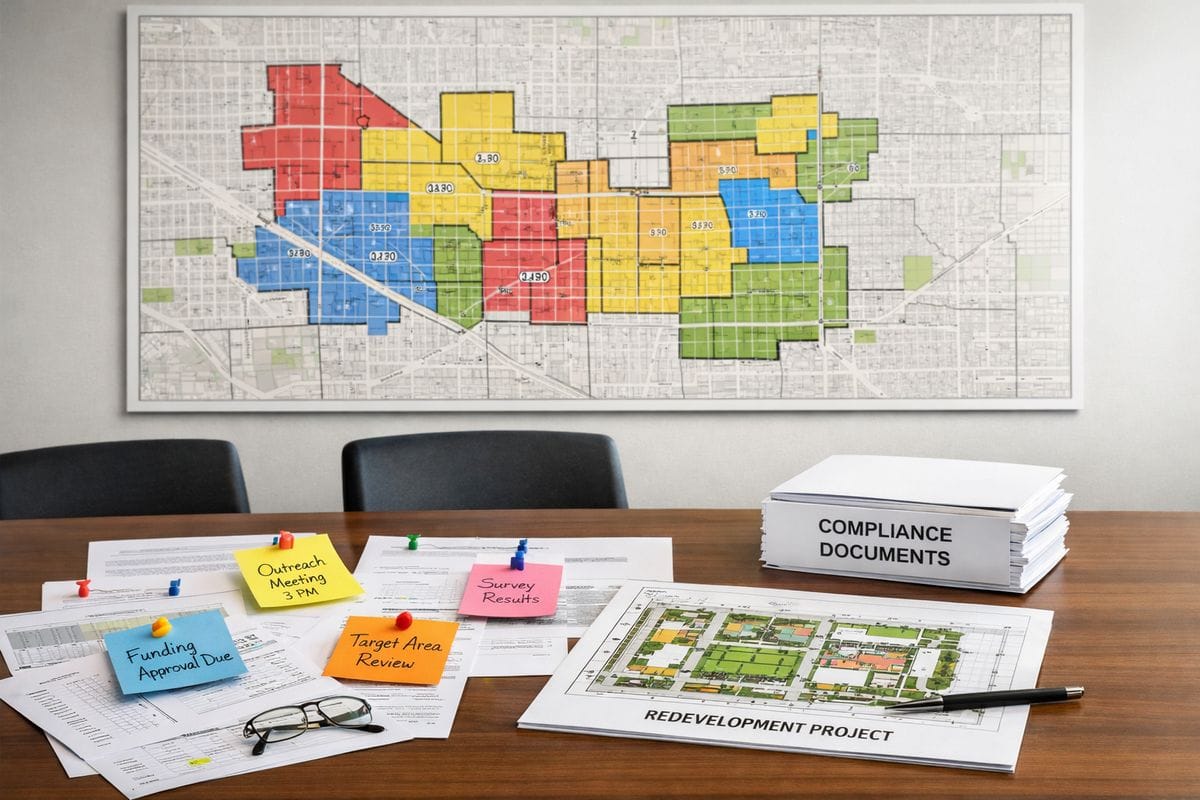
Four Investor Impacts of the Redesign
Impact 1: Legacy investments still require immediate tax planning
A permanent program does not erase the tax event tied to legacy deferred gains. If your original investment deferred capital gain under OZ 1.0, your 2026 planning remains urgent.
The recommendation is simple: calculate deferred gain, confirm basis adjustments, model tax due, and identify liquidity. This is not an academic exercise. It directly affects cash retention and after-tax ROI.
Impact 2: New investments face a different benefit structure
New investments should be underwritten under OZ 2.0 rules, not under expired assumptions. The 10-year exclusion still matters. The old 10 percent and 15 percent basis step-ups do not.
That changes time-to-value. The original version offered a blend of shorter-term deferral and long-term upside. The new version places more weight on long-term appreciation and project quality. If the deal only works because of old basis step-ups, the deal does not work.
Impact 3: Location strategy becomes more important
A tighter map and recurring redesignation cycle make location strategy more valuable. You need tract verification, local demand analysis, and a realistic view of how quickly a project can stabilize.
Tax benefits do not fix weak demand. In OZ investing, the tax tail should improve returns on a strong project, not rescue a bad one.
Impact 4: Compliance quality becomes part of returns
Compliance now sits inside the return calculation. Poor administration slows closings, complicates refinancings, and weakens exit readiness. Good administration increases investor confidence and transaction velocity.
In this kind of program, sponsor quality is partly a compliance question. If reporting systems are weak, your tax benefit becomes operationally fragile.
What the Changes Mean for Real Estate Investors and Landlords
Ground-up development and substantial rehab
Opportunity Zones still fit best where you have a clear hold strategy, meaningful value creation, and patient capital. Ground-up housing, adaptive reuse, and major rehab remain strong use cases because the tax structure rewards appreciation over time.
If your project plan already supports a long hold, the 10-year exclusion can materially increase after-tax value. If your business plan depends on a quick flip, the OZ structure is a poor match.
Multifamily and workforce housing
Housing remains central to Opportunity Zone activity. EIG cites a working paper estimating a net increase of 313,000 housing units between Q3 2019 and Q3 2024 attributable to the program.
That number matters because it confirms something the market already sees in practice: OZ capital has flowed heavily into residential development. For landlords and housing investors, the program remains highly relevant because the asset class aligns with long holds, appreciation, and community-development goals.
Existing rental portfolios and gain recycling
If you sell appreciated rental property, OZ planning can still work as a gain-recycling strategy. But the analysis has to separate portfolio tax planning from project economics.
A common mistake is treating the tax benefit as the investment thesis. It is not. The correct sequence is this: identify a deal with attractive long-term fundamentals, then determine whether the OZ wrapper improves after-tax returns enough to justify the added compliance load.
Why Rural Opportunity Zones Stand to Gain More
Qualified Rural Opportunity Funds
The redesigned law adds rural-specific emphasis, including the concept of Qualified Rural Opportunity Funds. The practical meaning is simple: the law now gives more favorable treatment to qualifying rural investment than the general framework offered before.
That is not cosmetic. It changes where capital screens should be focused.
Enhanced incentives in rural zones
Reported rural enhancements include a 30 percent step-up after five years and a reduced 50 percent substantial improvement threshold for rural zones. Those are major underwriting changes.
The reduced improvement threshold matters because smaller rural projects often struggle to support the capital intensity required under standard substantial improvement rules. Lowering that threshold improves feasibility for properties with lower basis and thinner capital stacks.
How rural incentives change capital competition
Enhanced rural incentives will redirect investor attention. Lower-basis markets, overlooked housing needs, and less crowded acquisition channels can now produce stronger after-tax outcomes.
The catch is execution. Rural deals require better sponsor selection, realistic absorption assumptions, and disciplined local diligence. Tax benefits improve the spread, but they do not replace operating skill.
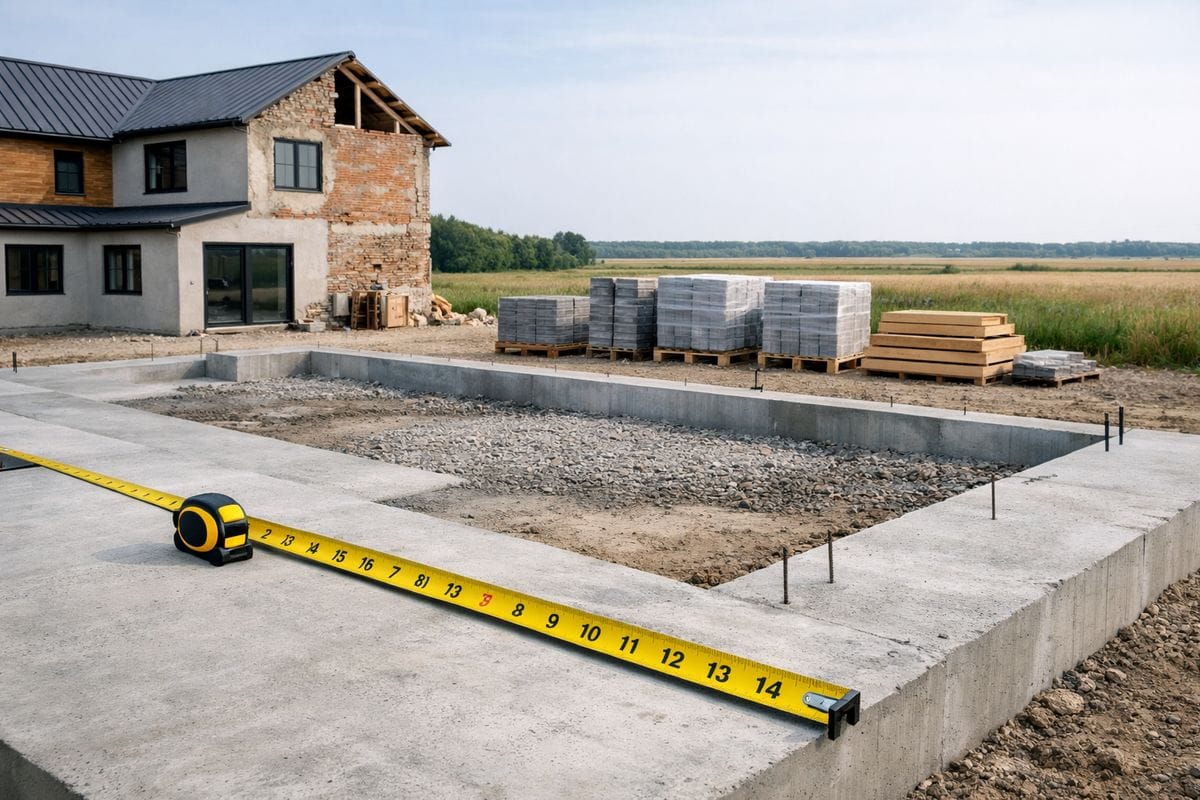
What the Field Data Shows About Program Performance
Investment volume and neighborhood reach
Through the end of 2022, OZ investment totaled $89 billion across more than 5,600 low-income neighborhoods, according to EIG’s reporting on program scale. That level of capital deployment matters because it shows broad market adoption, not a niche tax experiment.
Programs with that much embedded capital and sponsor participation tend to endure. That is one reason permanence became politically and operationally plausible.
Housing production and real estate outcomes
The estimated 313,000 additional housing units between Q3 2019 and Q3 2024 show that the program had measurable effects on housing production. In a market defined by supply shortages, that is a real outcome.
For real estate investors, this reinforces where OZ has been most relevant: development, redevelopment, and long-duration housing plays.
The main criticism investors should understand
The main criticism is not complicated. Some projects received tax benefits for investments that would have happened anyway. Critics such as ITEP argue the program often acts as a tax windfall rather than a precise anti-poverty tool.
You should understand that criticism even if your project is fully compliant. It affects policy debate, reputational risk, and reporting pressure. The market response is already visible: more transparency, tighter eligibility, and more scrutiny of impact claims.
The 2026 to 2028 Transition Period
Current zones, redesignation, and reported overlap
This is one of the most confusing parts of the current landscape. Based on reported timelines, states begin nominating new zones in 2026, new designations take effect in 2027, and some sources, including EIG, indicate current zones remain effective through the end of 2028. That creates a reported two-year overlap.
For investors, the takeaway is practical. Do not assume a tract loses status the moment a new map appears. Do not assume the opposite either. Confirm the effective timeline for the specific transaction, fund, and property.
Why Treasury and IRS guidance still matters
Statutory change is only part of the picture. The CDFI Fund reports that Treasury and the IRS are finalizing implementation procedures and requested public comment on the nomination tool, with comments due May 5, 2026.
That matters because guidance affects fund documents, compliance systems, closing calendars, and how specific tests are administered. In transaction terms, operational guidance determines how cleanly the law can actually be used.
Common Misunderstandings About Opportunity Zone Expiration
“The program ends in 2026”
Wrong. For many legacy investments, 2026 is the deferred-gain recognition deadline under the original regime. It is not the end of the program as redesigned.
“The program lasts forever with no deadline issues”
Also wrong. A permanent framework still includes deadlines, windows, redesignation cycles, and reporting obligations. Permanence removes policy extinction risk. It does not remove execution risk.
“All existing zones automatically keep the same benefits”
No. Redesignation changes the map over time, and transition rules matter. Tract status and applicable benefits need to be verified, not assumed.
“Opportunity Zones are only for large institutional funds”
No. Institutional capital is active, but the structure remains relevant for developers, landlords, family offices, and closely held entities when the gain amount, project quality, and compliance capacity line up.
The Recommendation: How to Act on the New Opportunity Zone Rules
Before the phase-by-phase recommendation, use the current legal landscape as a filter. Focus on what expired, what remains active, and what sits in the proposal or implementation bucket.
| What expired | What’s still active | What’s proposed |
|---|---|---|
| 5-year 10% basis step-up for new investments after the original timeline cutoff, effectively unavailable after December 31, 2026 | Legacy deferred gain remains invested until taxable recognition on December 31, 2026, unless triggered earlier by disposition | Treasury and IRS implementation details for the redesigned framework, including final operating procedures |
| 7-year 15% basis step-up for new investments after the original timeline cutoff, unavailable after December 31, 2026 | Opportunity Zone designations remain active through December 31, 2028 under reported transition timing | State redesignation outcomes under the new 10-year cycle beginning with nominations in 2026 |
| Old assumption that OZ was a one-time temporary map fixed from 2018 forward | New designations take effect January 1, 2027 under the redesigned program | Final tract selections under tighter 70% of state median family income eligibility rules |
| Marketing claims based on OZ 1.0 short-term step-up economics | 10-year exclusion on appreciation from a qualifying QOF investment remains available for qualifying long-hold investments | Ongoing administrative interpretation of reporting, overlap, and compliance mechanics |
Phase 1: Review legacy OZ positions before 2026 tax recognition
Confirm the deferred gain amount, the basis adjustments already earned, the expected tax liability, and the source of liquidity for payment. That protects ROI and prevents a forced sale or rushed refinance.
Phase 2: Re-underwrite future deals under OZ 2.0 rules
Stop using old program assumptions in new models. Underwrite the current law: long hold, reporting cost, tract eligibility, and the value of the 10-year exclusion. If the underlying investment is mediocre, the tax benefit does not save it.
Phase 3: Prioritize tract verification and sponsor diligence
Verify current tract status, future redesignation timing, and fund compliance systems before committing capital. In this market, map accuracy and sponsor controls are part of due diligence, not back-office cleanup.
Phase 4: Give special attention to rural opportunities
Evaluate rural deals separately. Enhanced incentives and a lower improvement threshold change expected returns and competitive dynamics in a meaningful way. Rural Opportunity Zones deserve a dedicated screen, not a footnote in a national pipeline.
Phase 5: Coordinate tax, legal, and operational execution
Treat Opportunity Zone investing as a transaction-level tax strategy with compliance controls, not as a marketing label. That is the recommendation. Disciplined execution protects after-tax ROI, shortens time-to-value, and prevents avoidable compliance friction.
Frequently Asked Questions
Is it still worth investing in Opportunity Zones now that the step-up benefits expired?
Yes, if the underlying investment is strong. The 10-year exclusion on appreciation can still create very large tax savings on a successful long-hold deal. The correct test is after-tax ROI on the real estate itself, not nostalgia for expired OZ 1.0 basis step-ups.
Does the 10-year tax-free appreciation benefit still exist?
Yes. The 10-year exclusion on appreciation from the QOF investment itself remains the most valuable live feature for many new OZ investments, assuming the investment is made through a qualifying fund in a designated zone and held long enough.
Are current Opportunity Zones still active?
Yes. Based on current reported transition timelines, existing zones remain active through December 31, 2028, while new designations begin taking effect in 2027. Tract-specific verification remains necessary.
What happens to deferred gains in 2026?
Deferred gain from legacy OZ investments under the original framework becomes taxable by December 31, 2026, unless tax is triggered earlier by a sale or other inclusion event. That requires advance cash planning and basis review.
Do new investments get the same tax benefits as old investments?
No. New investments should be analyzed under the redesigned framework. The old 5-year and 7-year basis step-ups are not part of current new-investment economics. The continuing value is concentrated in the long-term appreciation exclusion and, for qualifying rural deals, enhanced incentives.
Should Opportunity Zone tax benefits drive the investment decision?
No. The investment should stand on its own based on location, demand, execution, and hold strategy. The OZ structure should improve a sound deal’s after-tax outcome, not compensate for weak fundamentals.
References
- cbh.com
- cdfifund.gov
- cdfifund.gov
- eig.org
- hud.gov
- irs.gov
- itep.org
- nar.realtor
- oldrepublictitle.com
- opportunityzones.com
- taxpolicycenter.org
- urban.org